Webb Telescope Identifies Rare Extreme Debris Disks from Planetary Collisions
Astronomers using NASA’s James Webb Space Telescope have identified a rare class of stellar systems known as extreme debris disks, offering insights into violent planet-forming collisions. Published in The Astrophysical Journal, the study led by Kate Su of the Space Science Institute in Boulder, Colorado, compiled a sample of 21 such disks, including 16 observed by Webb. These systems are characterized by unusually large amounts of warm dust close to their host stars, a phase estimated to occur in only about 1% of young stars.
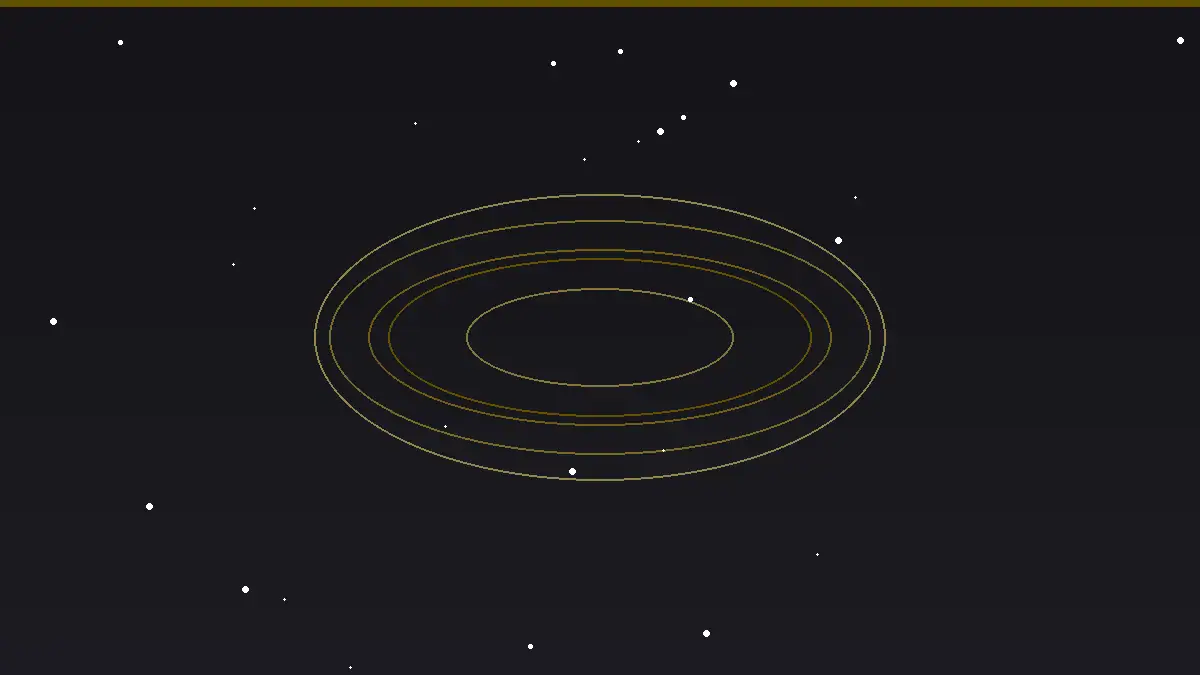
The research reveals that these disks are not uniform but split into two distinct categories based on mineralogical makeup. Approximately one-third of the sample is silica-rich, indicating high-energy impacts between Mars-sized bodies that vaporized significant material. These silica-rich disks are found only around stars younger than 300 million years. The remaining two-thirds are silica-poor, suggesting smaller-scale collisions between moon-sized objects. These silica-poor disks persist across a broader range of ages and exhibit greater irregular brightness variations, likely driven by rapid orbital changes and fresh debris.
Agnes Kospal of Konkoly Observatory in Budapest, Hungary, noted that Webb’s mid-infrared spectra were crucial for identifying these compositions, as the planetary embryos themselves are too small to study directly. The findings align with simulations suggesting terrestrial planets form within the first few hundred million years of a solar system’s existence. This timeline supports the theory that Earth and the moon formed around 100 million years after the sun formed, potentially resulting from a collision with a Mars-sized object.
What to watch: Future observations of silica-poor disks may clarify the role of orbital instability in the Late Heavy Bombardment hypothesis.
Editor's note: The article effectively synthesizes the provided research, accurately reflecting the study's findings on debris disks and their implications for solar system formation.
This article is AI-generated and fact-gated. Original reporting: Phys.org