Job Insurance Offers Financial Buffer Amid Rising Layoffs
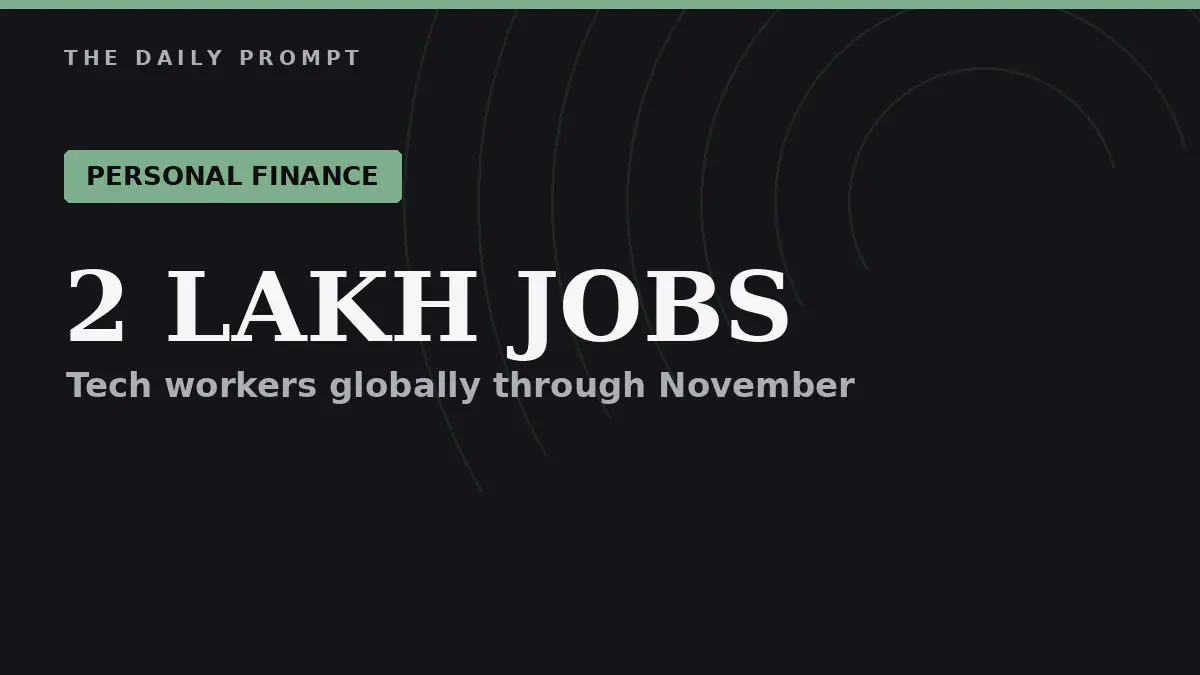
More than two lakh tech workers globally lost their jobs through November this year, with TrueUp tracking 209,841 job losses across 742 layoff events in the global technology industry. This equates to approximately 642 job cuts per day this year, a rise from 579 per day in 2025. For workers concerned about job security, particularly with the rise of AI, job insurance can offer temporary financial relief, provided the policy covers the specific reason for dismissal.
In India, job insurance is typically offered as an add-on to existing policies like home, accident, or critical illness insurance, rather than as a standalone product, according to Paisabazaar. A successful claim can assist with financial commitments such as home loan installments, potentially providing support for up to three months while an individual seeks new employment. Eligibility generally requires a salaried position with a registered company, making self-employed, casual, seasonal, temporary, and contractual workers ineligible under Paisabazaar's described terms.
The reason for job loss is crucial for eligibility. Some plans may cover terminations due to critical illness, disability from an accident, or temporary suspension. If AI replaces a role, policyholders must verify how their plan treats this specific reason for termination. Companies often do not explicitly state AI as the direct cause of layoffs, which may lead such cases to be classified under standard terminations. However, a waiting period, typically ranging from 30 to 90 days after policy inception, applies, during which job loss would not qualify for a payout.
Exclusions for job insurance policies include job loss during probation, voluntary resignation, retirement, or dismissal for poor performance, dishonesty, or fraud. Before purchasing or relying on an add-on, it is essential to read the job loss clause carefully to understand the conditions that trigger a payout. When filing a claim, policyholders must inform their insurer in writing and provide proof of unemployment, including a signed claim form and the employer's termination letter. The insurer may request additional documents like the last three months’ salary slips, Form 16, and employer contact details to establish claim eligibility.
What to watch: Review your policy's specific terms and exclusions before relying on job insurance for financial protection.
Editor's note: Comprehensive coverage of the source material including specific data points and policy exclusions.
AI-generated and fact-checked against the original report; claims the gate cannot verify are held back.