Global Fashion Brands Divert $254 Million in Orders to India from Bangladesh Amid Unrest
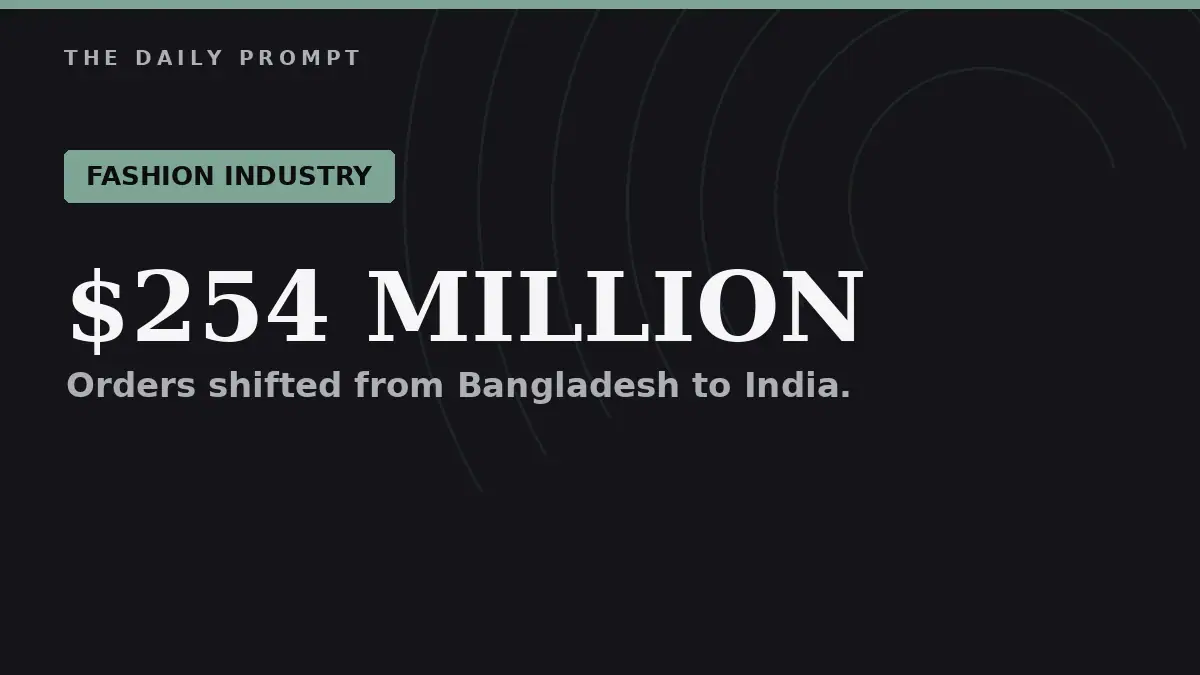
Global fashion retailers, including prominent names like Zara and H&M, diverted orders worth approximately $254 million from Bangladesh during the first half of November. This shift, which occurred between November 1 and 18, was prompted by widespread labour unrest and escalating production costs in Bangladesh, with India emerging as the primary beneficiary, according to factory owners cited by Business Standard.
This diversion represents a significant blow to Bangladesh's economy, where the garment industry contributes over 80 per cent of export earnings and nearly 40 per cent of manufacturing jobs. The Bangladesh Garment Manufacturers and Exporters Association (BGMEA) estimates production losses exceeding $400 million due to the protests. Beyond India, other Asian manufacturing hubs such as Vietnam, Cambodia, and Indonesia are also benefiting as brands seek to diversify sourcing and mitigate supply-chain risks.
The challenges intensified with Bangladesh's recent approval of a 36 per cent increase in the minimum wage for garment workers, the smallest rise in four decades. This increase fell considerably short of workers' demands for more than double their wages, leading to renewed clashes with police. While Abdur Rahman Tarafder, secretary of the Ministry of Labour and Employment, deemed the wage increase "satisfactory," industry leaders note it will further narrow Bangladesh's labour-cost advantage over India, though union groups maintain wages remain low by global standards. Union leader Babul Akhter criticized brands for using the unrest as a justification for shifting orders.
Factory owners express greater concern that these diversions could become permanent. Persistent energy shortages, exacerbated by global crises, have caused production disruptions and forced reliance on costlier alternative power sources. M Mohiuddin Chowdhury, a director of the BGMEA, highlighted that price becomes secondary when brands face strict delivery deadlines. India offers a delivery advantage of about a week, while Vietnam and Cambodia can cut lead times by up to 15 days, compared to Bangladesh's typical 120 days for production and delivery. Khan Monirul Alam of Alps Apparels Group reported buyers halting new orders since November 1, citing shifts, postponements, or cancellations. Chowdhury warned that restoring buyer confidence is crucial to prevent temporary shifts from becoming long-term sourcing decisions.
What to watch: The long-term impact of order shifts on Bangladesh's garment industry.
Editor's note: A comprehensive report that captures the key figures, context, and industry perspectives provided in the full source text.
AI-generated and fact-checked against the original report; claims the gate cannot verify are held back.